mirror of
https://github.com/wassname/optuna-dashboard.git
synced 2026-09-07 17:10:07 +08:00

96 lines
3.1 KiB
Markdown
96 lines
3.1 KiB
Markdown
# optuna-dashboard
|
|
|
|

|
|
[](https://pypistats.org/packages/optuna-dashboard)
|
|
[](https://optuna-dashboard.readthedocs.io/en/latest/?badge=latest)
|
|
|
|
|
|
Real-time dashboard for [Optuna](https://github.com/optuna/optuna).
|
|
Code files were originally taken from [Goptuna](https://github.com/c-bata/goptuna).
|
|
|
|
## Installation
|
|
|
|
You can install optuna-dashboard via [PyPI](https://pypi.org/project/optuna-dashboard/) or [Anaconda Cloud](https://anaconda.org/conda-forge/optuna-dashboard).
|
|
|
|
```
|
|
$ pip install optuna-dashboard
|
|
```
|
|
|
|
## Getting Started
|
|
|
|
First, please specify the storage URL to persistent your study using the [RDB backend](https://optuna.readthedocs.io/en/stable/tutorial/20_recipes/001_rdb.html).
|
|
|
|
```python
|
|
import optuna
|
|
|
|
def objective(trial):
|
|
x = trial.suggest_float("x", -100, 100)
|
|
y = trial.suggest_categorical("y", [-1, 0, 1])
|
|
return x**2 + y
|
|
|
|
if __name__ == "__main__":
|
|
study = optuna.create_study(
|
|
storage="sqlite:///db.sqlite3", # Specify the storage URL here.
|
|
study_name="quadratic-simple"
|
|
)
|
|
study.optimize(objective, n_trials=100)
|
|
print(f"Best value: {study.best_value} (params: {study.best_params})")
|
|
```
|
|
|
|
After running the above script, please execute the `optuna-dashboard` command with Optuna storage URL.
|
|
|
|
```
|
|
$ optuna-dashboard sqlite:///db.sqlite3
|
|
Listening on http://localhost:8080/
|
|
Hit Ctrl-C to quit.
|
|
```
|
|
|
|
Please check out [our documentation](https://optuna-dashboard.readthedocs.io/en/latest/getting-started.html) for more details.
|
|
|
|
## Using an official Docker image
|
|
|
|
You can also use [an official Docker image](https://github.com/optuna/optuna-dashboard/pkgs/container/optuna-dashboard) instead of setting up your Python environment.
|
|
The Docker image only supports SQLite3, MySQL(PyMySQL), and PostgreSQL(Psycopg2).
|
|
|
|
```
|
|
$ docker run -it --rm -p 8080:8080 -v `pwd`:/app -w /app \
|
|
> ghcr.io/optuna/optuna-dashboard sqlite:///db.sqlite3
|
|
```
|
|
|
|
<details>
|
|
<summary>MySQL (PyMySQL)</summary>
|
|
|
|
```
|
|
$ docker run -it --rm -p 8080:8080 ghcr.io/optuna/optuna-dashboard mysql+pymysql://username:password@hostname:3306/dbname
|
|
```
|
|
|
|
</details>
|
|
|
|
<details>
|
|
<summary>PostgreSQL (Psycopg2)</summary>
|
|
|
|
```
|
|
$ docker run -it --rm -p 8080:8080 ghcr.io/optuna/optuna-dashboard postgresql+psycopg2://username:password@hostname:5432/dbname
|
|
```
|
|
|
|
</details>
|
|
|
|
|
|
## Features
|
|
|
|
### Manage Studies
|
|
|
|
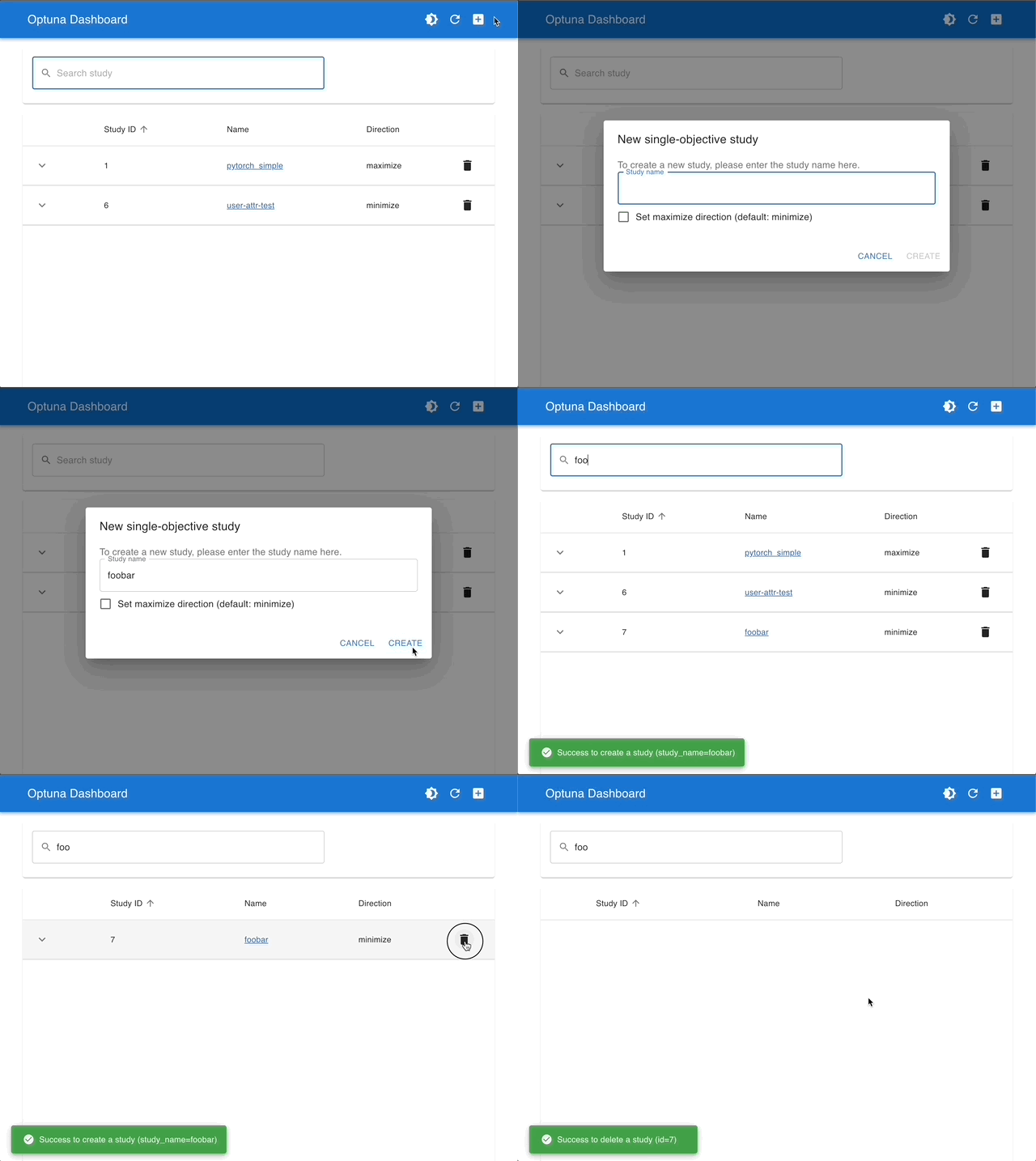
You can create and delete studies from Dashboard.
|
|
|
|
|
|
|
|
### Visualize with Interactive Graphs & Rich Trials Data Grid
|
|
|
|
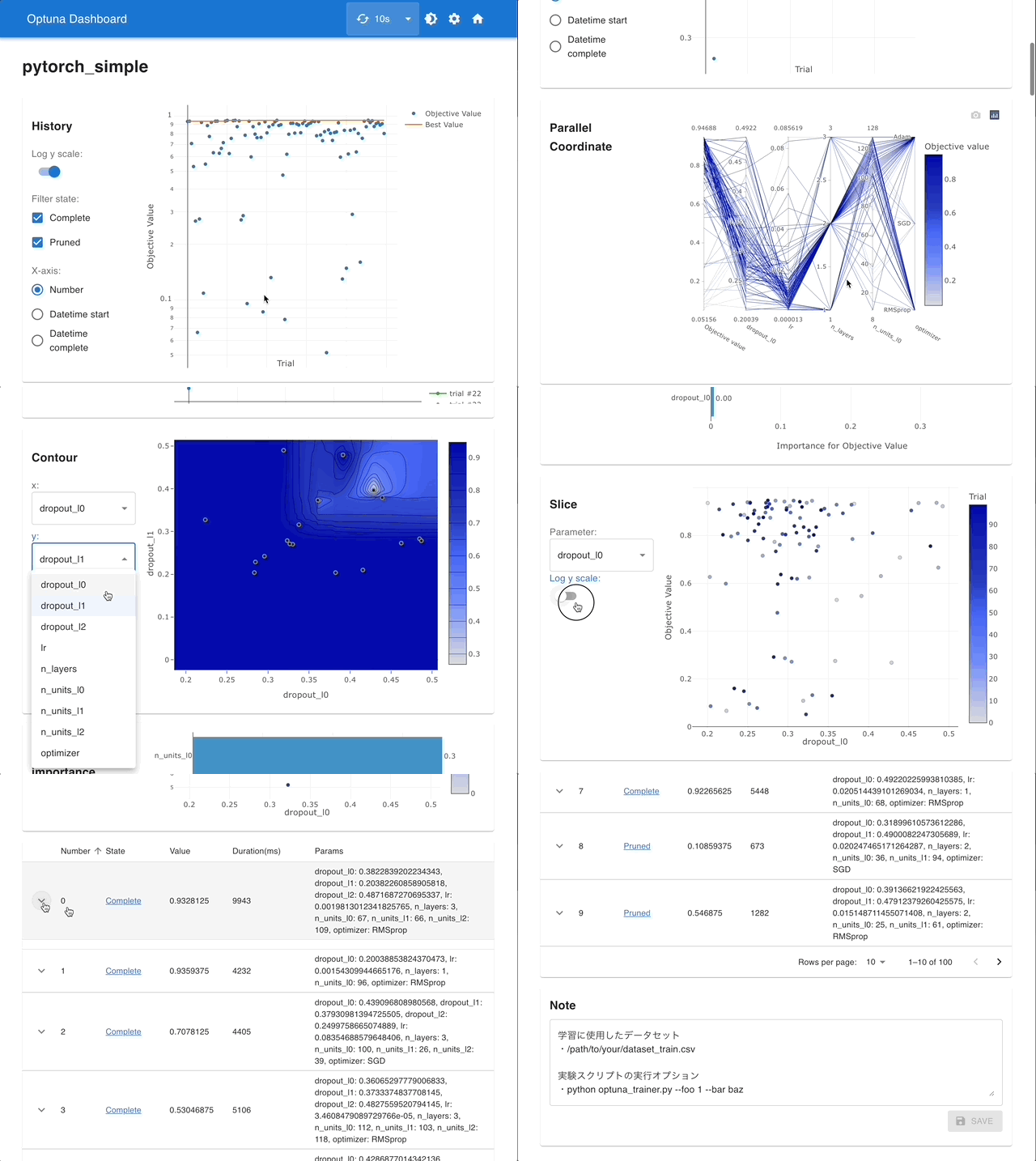
You can check the optimization history, hyperparameter importances, etc. in graphs and tables.
|
|
|
|
|
|
|
|
## Submitting patches
|
|
|
|
If you want to contribute, please check [Developers Guide](./CONTRIBUTING.md).
|